Building Media Literacy Among Local Residents
In today's rapidly changing digital landscape, understanding how to access and interpret local information is crucial for community engagement. This article explores the importance of media literacy among residents in Romania, highlighting practical insights into how they obtain news and engage with local journalism.
Understanding Media Literacy
Media literacy involves the ability to access, analyze, evaluate, and create media in various forms. As digital media continues to evolve, being literate in these areas is essential for residents to navigate public interest media. According to research by the European Commission, a significant portion of citizens report challenges in distinguishing credible news sources from misinformation.
"Empowering residents with media literacy skills fosters informed communities and enhances civic engagement." - Media Studies Expert
How Residents Get Local Information
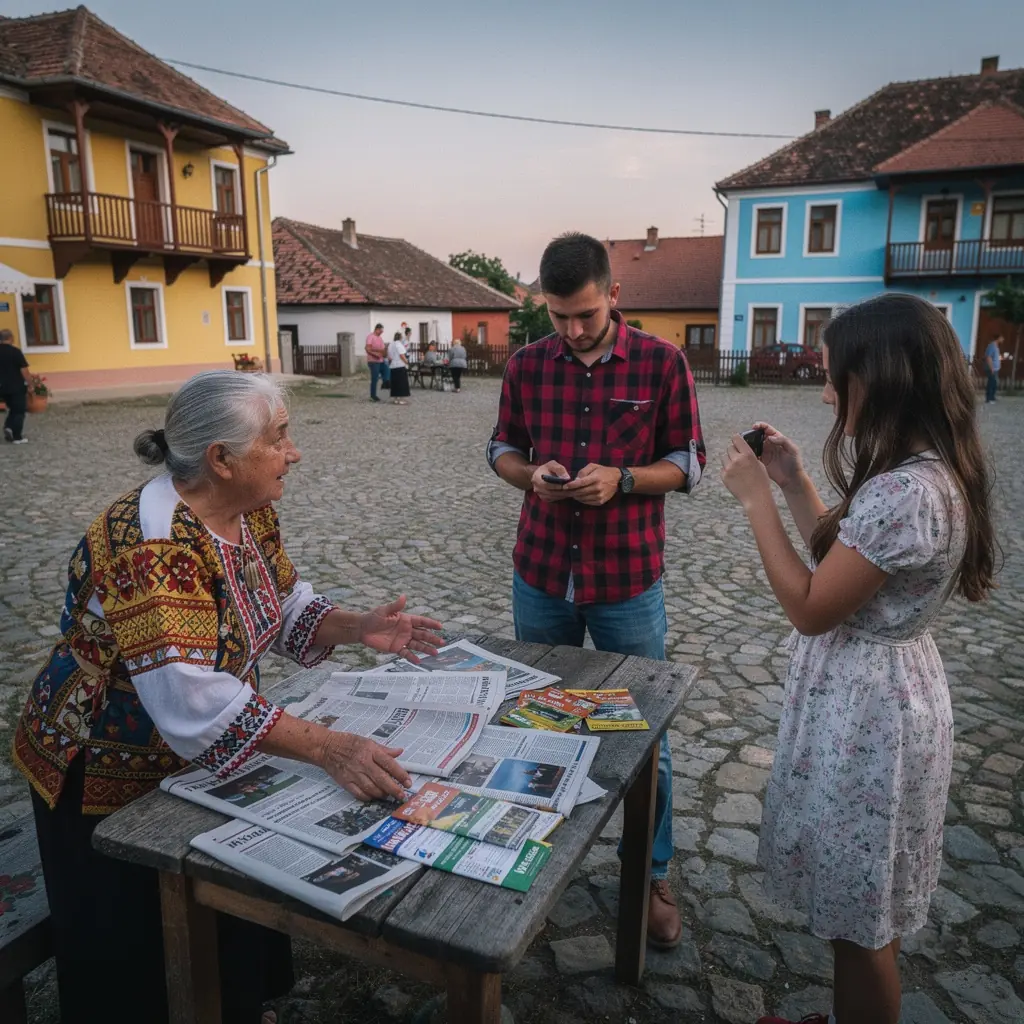
Residents today have access to various channels for obtaining local news. The landscape includes traditional newspapers, radio, and an increasing presence of digital media for communities. Here are some common methods:
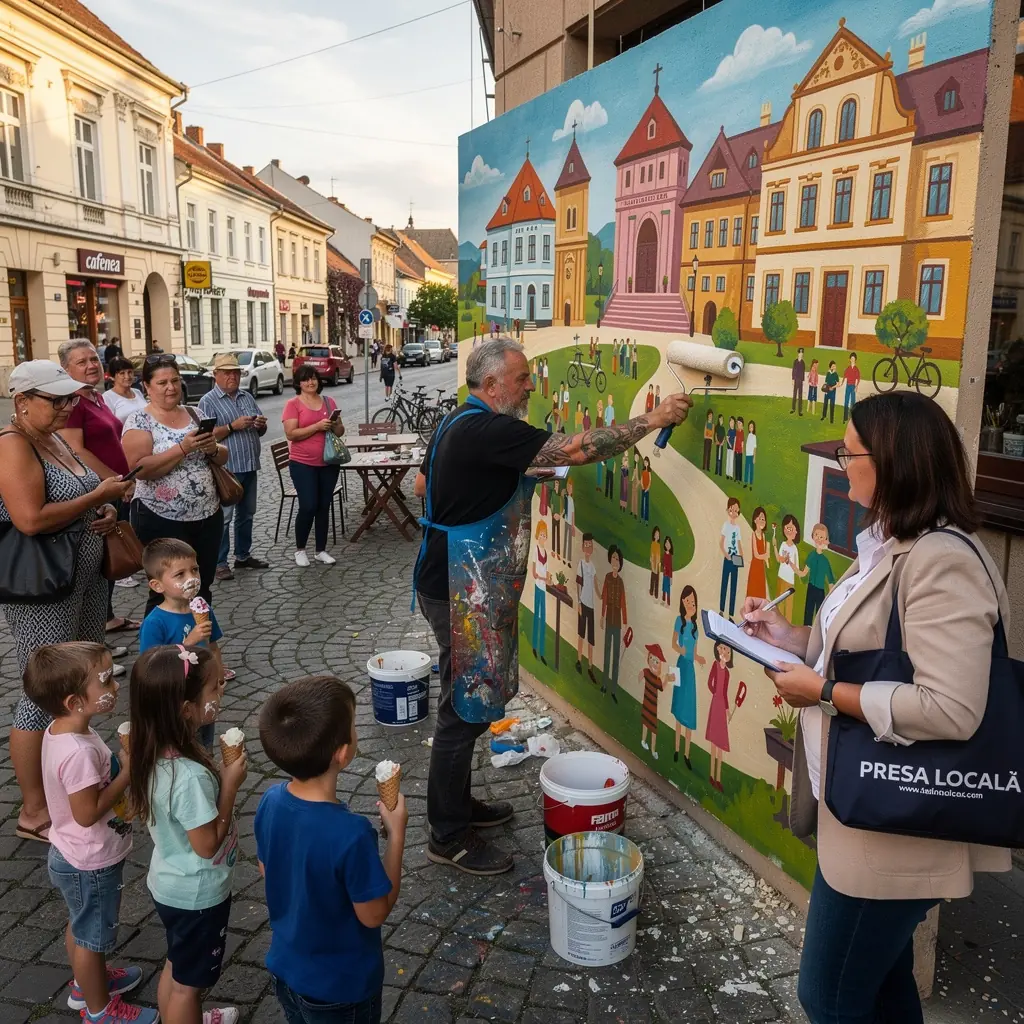
- Community news sources: Local publications and online platforms provide targeted coverage that reflects neighborhood issues.
- Social media: Residents often turn to platforms like Facebook and Twitter for quick updates and neighborhood news, although the reliability of these sources can vary.
- Citizen journalism: Many individuals contribute to local news by sharing insights and updates through blogs or community forums, creating a grassroots media initiative that enhances local storytelling.
Encouraging Media Literacy
Effective communication channels are key in promoting media literacy among residents. Here are several strategies that can help:
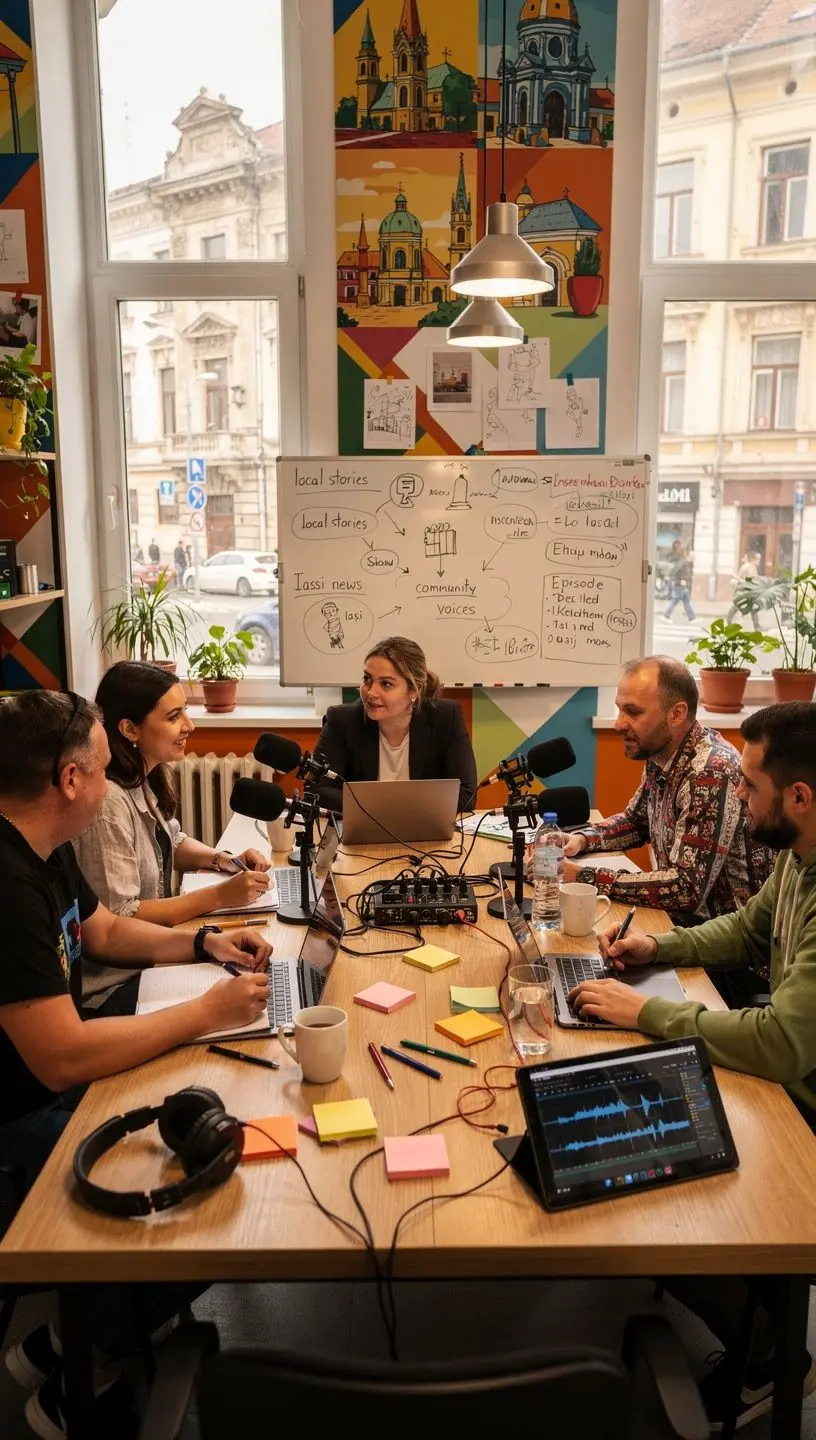
- Workshops and Training: Community organizations can offer workshops that teach residents how to critically assess news sources and understand media bias.
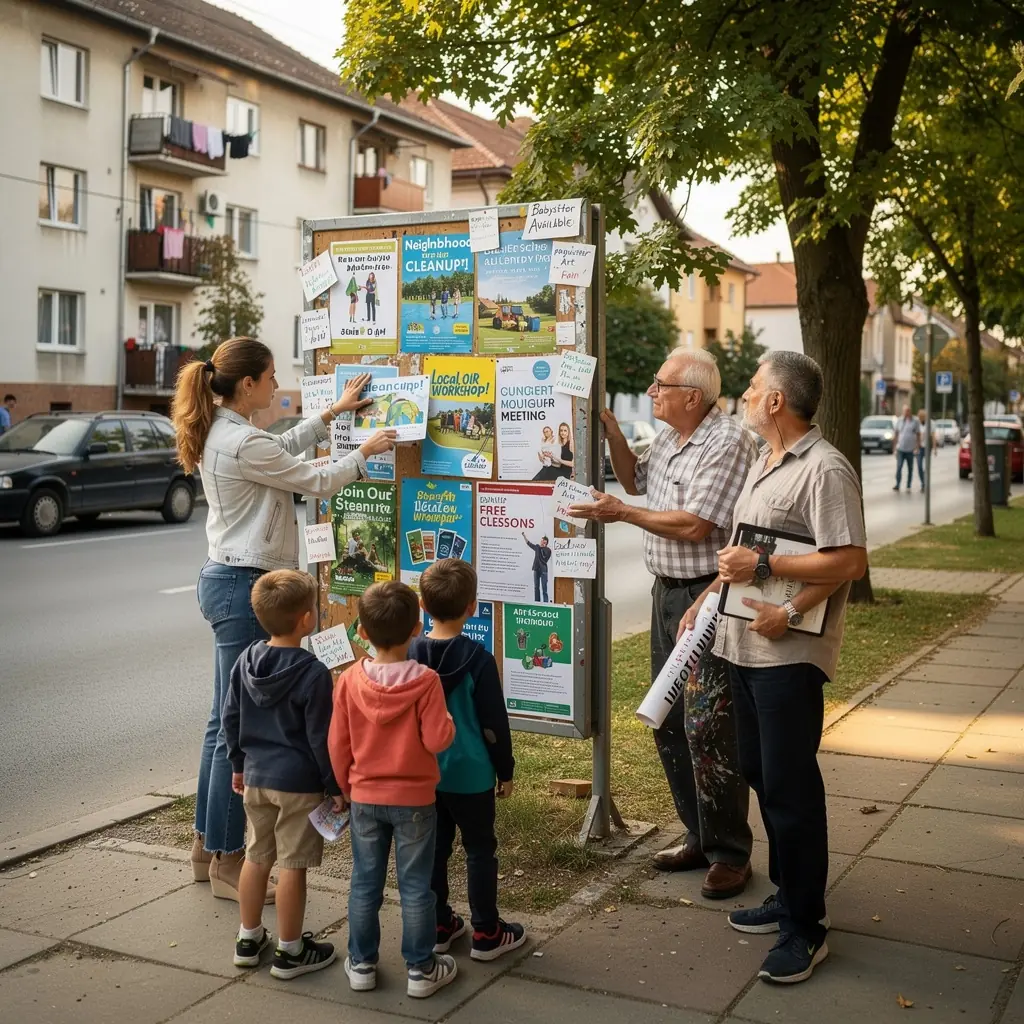
- Access to Resources: Providing informational resources, such as guides on identifying trustworthy news outlets, can empower residents in their news consumption habits.
- Peer Discussions: Creating spaces for residents to discuss news topics encourages engagement and helps clarify misunderstandings regarding local information.
Conclusion
Building media literacy among local residents is a continuous journey that involves education, engagement, and the willingness to adapt to new information delivery methods. By equipping communities with the skills to critically evaluate local news, we not only enhance public interest advocacy but also foster informed citizens capable of making decisions that affect their lives and neighborhoods. As technology continues to influence how we consume information, local media relevance remains vital for transparency and civic engagement.