Understanding the Dynamics of Neighborhood News
In today's fast-paced world, residents often seek local information to stay connected with their communities. This article explores how neighborhood news has evolved, focusing on public interest media and the various channels through which residents access local information.
Understanding the Basics of Neighborhood News
Neighborhood news serves as a vital resource for residents, offering insights into events, issues, and developments within their communities. According to research by the American Press Institute, many users report that knowing what's happening locally fosters a sense of belonging and community engagement. But how do residents obtain this information?
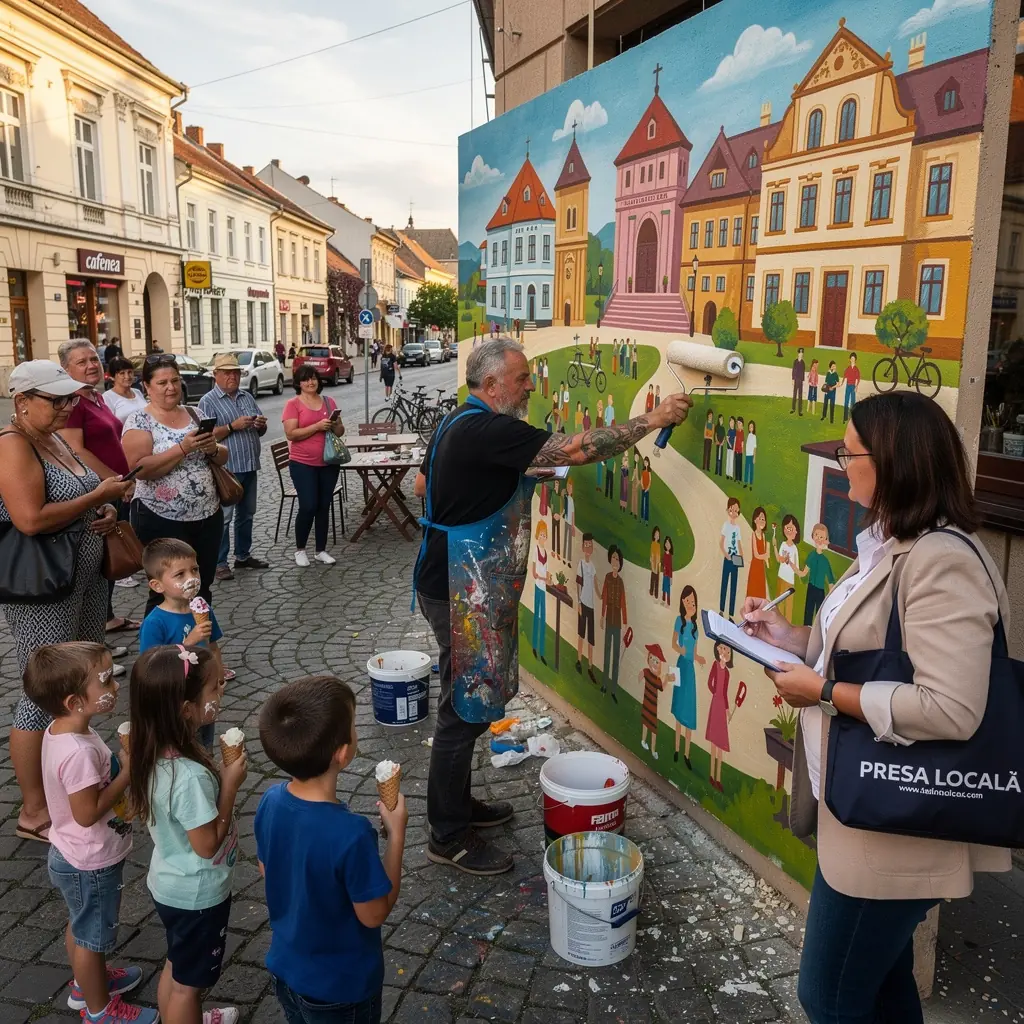
Traditional vs. Modern News Delivery Methods
Traditionally, local journalism relied on print newspapers, community bulletin boards, and word of mouth. While these methods are still used, the rise of digital media for communities has transformed how residents get their news. Today, many people turn to:
- Online local news websites: These platforms provide timely updates and in-depth reporting, catering to the specific interests of local audiences.
- Social media: Platforms like Facebook and Twitter have become popular for real-time neighborhood updates, allowing residents to share information quickly.
- Community blogs: Many residents create their own blogs to discuss local issues, promoting grassroots media initiatives that reflect their views and concerns.
"Effective communication channels can enhance community engagement and keep residents informed about relevant local issues."
The Role of Citizen Journalism
Citizen journalism plays a significant role in shaping local news dynamics. Residents are increasingly taking the initiative to report on events and issues affecting their communities. This trend aligns with the notion of public interest storytelling, where ordinary citizens share their perspectives on local matters.
Studies indicate that citizen journalism can complement traditional news sources by providing diverse viewpoints. However, it's essential for residents to practice media literacy to evaluate the reliability of the information they encounter. This involves understanding the sources, verifying facts, and recognizing biases in reporting.
Challenges in Accessing Local Information
Despite the increased availability of information, some challenges remain regarding local information accessibility. Many residents may struggle to find credible news sources, particularly in underserved areas. Common challenges include:
- Digital divide: Not all residents have equal access to the internet or digital devices, limiting their ability to engage with online local news.
- Information overload: With the vast amount of content available, it can be difficult for residents to discern which sources are trustworthy.
- Lack of local coverage: Some communities may not have dedicated local news outlets, leading to gaps in coverage for certain neighborhoods.
Strategies for Enhancing Local Information Sharing
To improve access to local information, communities can adopt several strategies:
- Promote local news platforms: Encourage residents to support and engage with local journalism efforts to ensure they remain viable.
- Foster community-driven initiatives: Organize workshops and discussions to educate residents on media literacy and responsible information sharing.
- Utilize social media effectively: Leverage social media for announcements, events, and discussions to enhance community engagement.
Conclusion
Understanding the dynamics of neighborhood news is crucial for residents looking to stay informed and engaged. By recognizing the various news delivery methods and embracing citizen journalism, communities can strengthen their access to local information. As residents navigate these changes, enhancing community-focused media and utilizing effective communication channels will play a vital role in addressing their news needs.