Strategies for Effective Communication in Neighborhoods
In today's fast-paced world, effective communication within neighborhoods is essential for fostering a sense of community and ensuring residents have access to relevant local information. Understanding how residents get news and the channels through which they engage with local journalism can significantly enhance community cohesion.
Understanding the Basics
Effective neighborhood communication often relies on a mix of traditional and digital platforms. Many communities utilize local journalism to disseminate information, while social media has emerged as a vital tool for real-time updates. According to research, communities with strong local news sources typically see higher levels of civic engagement, as these sources provide residents with the information they need to participate actively in local events and decisions.
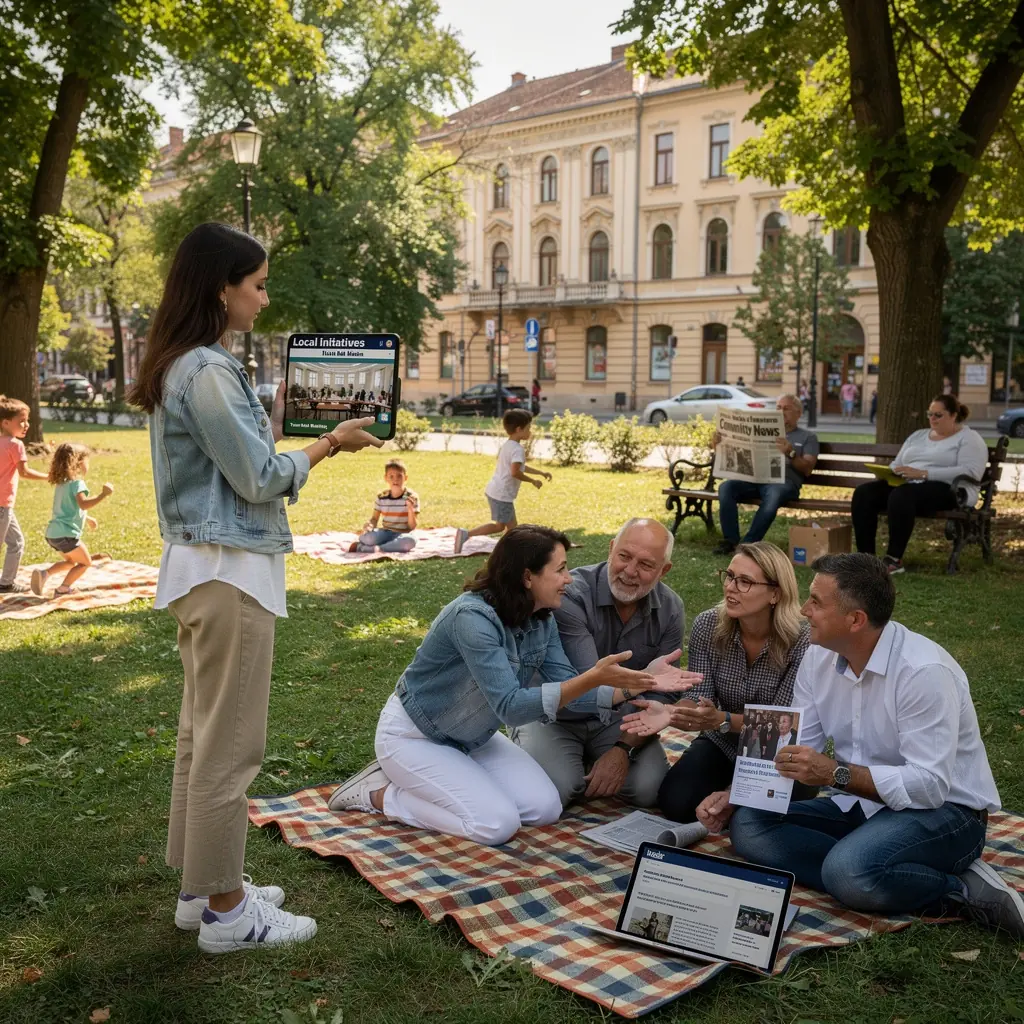
"Access to local journalism can enhance community trust and transparency, allowing residents to stay informed and engaged." - Local Media Expert
Practical Application
- Utilize Community News Sources: Establishing a relationship with local journalists can help neighborhoods receive updates on important issues. Many users report that community-focused media platforms offer valuable insights into local happenings.
- Embrace Digital Media for Communities: Engaging residents through social media and online platforms can create a dialogue. Experts recommend using local-specific hashtags to promote neighborhood events and discussions, which can help build community connections.
- Encourage Citizen Journalism: Empowering residents to share their own stories can enhance neighborhood storytelling. This grassroots media initiative allows for diverse voices to emerge, enabling a broader understanding of local issues and fostering a deeper sense of belonging.
Leveraging Local Information Strategies
To effectively communicate within neighborhoods, consider implementing the following strategies:
- Organize Regular Meetings: Establish a routine for neighborhood meetings where residents can discuss local concerns and share information. This approach fosters a culture of face-to-face interaction that can enhance trust and collaboration among residents.
- Develop an Online Community Platform: Creating a dedicated online space where residents can exchange information and updates can be beneficial. Many communities have found that using platforms like Facebook Groups or dedicated neighborhood forums can facilitate ongoing communication.
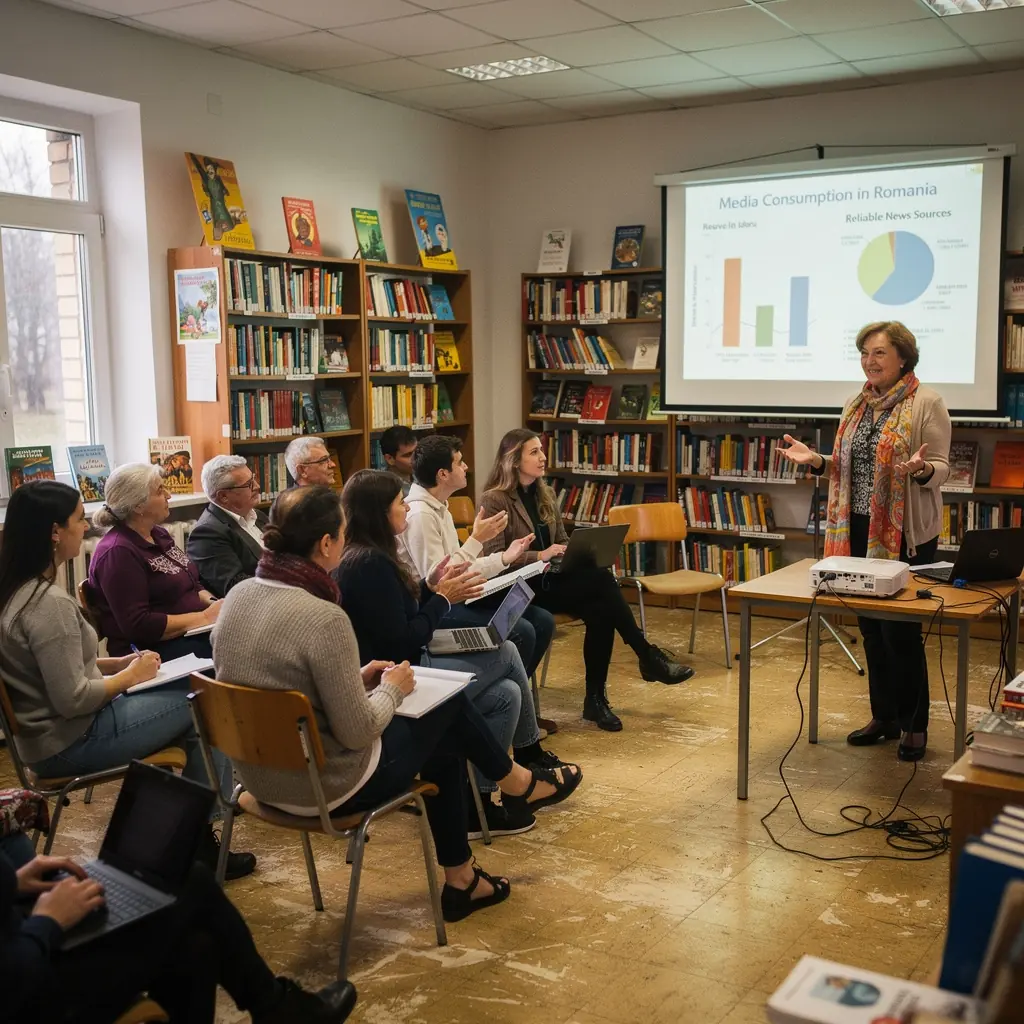
- Promote Media Literacy: Providing resources to help residents understand how to critically evaluate news sources is essential. Media literacy programs can help residents navigate the complexities of local journalism and discern credible information.
Conclusion
Effective communication in neighborhoods is vital for ensuring residents have access to essential local information. By leveraging a mix of traditional and digital media, engaging in community storytelling, and promoting strong media literacy, neighborhoods can enhance their communication strategies. As local news dynamics continue to evolve, focusing on accessibility and transparency will be key to meeting the news needs of residents and fostering a vibrant community.